Understanding the Basics: What Makes Hardwood and Softwood Different?
When it comes to timber, the terms hardwood and softwood are often misunderstood. Contrary to popular belief, these labels don't always describe the actual hardness or softness of the wood. Instead, they refer to the botanical classification of the trees from which the wood comes.
Hardwoods come from angiosperm trees, which are flowering plants that produce seeds enclosed in fruits. Examples include oak, maple, and walnut. Softwoods, on the other hand, come from gymnosperm trees, typically conifers like pine, cedar, and fir, which produce seeds without a covering.
This fundamental difference affects the wood's structure, density, and typical uses. Understanding these distinctions is crucial for selecting the right timber for your project, especially in the Australian context where climate, availability, and cost play significant roles.
Botanical and Structural Differences
Hardwoods generally have a more complex cellular structure. Their dense fibres and vessels contribute to their strength and durability. Softwoods tend to have a simpler structure, with more resin canals and less dense fibres, which makes them lighter and easier to work with.
For example, pine, a common Australian softwood, is lightweight and flexible, making it ideal for framing and furniture. Meanwhile, hardwoods like jarrah or blackbutt are prized for their density and resistance to wear, perfect for flooring and outdoor decking.
In addition to their structural differences, the growth rates of hardwoods and softwoods also vary significantly. Hardwoods typically grow more slowly than softwoods, which can lead to higher costs due to the longer time required for them to reach maturity. This slower growth often results in a tighter grain and more intricate patterns, making hardwoods highly sought after for fine furniture and cabinetry. Conversely, softwoods grow rapidly and are more abundant, making them a more economical choice for construction and mass-produced items.
Moreover, the ecological impact of harvesting these types of wood can differ. Sustainable practices are essential in both hardwood and softwood industries to ensure that forests remain healthy and productive. In Australia, initiatives are in place to promote responsible forestry, and consumers are encouraged to look for certifications that indicate sustainable sourcing. This not only helps preserve the environment but also supports local economies and communities that rely on timber production.
Durability and Strength: What You Need to Know
One of the main considerations when choosing between hardwood and softwood is how durable and strong the timber needs to be. Hardwoods typically offer superior strength and longevity, which is why they are often used in high-traffic or load-bearing applications.

Hardwoods: Built to Last
Hardwoods such as jarrah and blackbutt are well-suited to Australian conditions. They resist rot, decay, and insect attack better than most softwoods. This makes them ideal for outdoor projects like decking, pergolas, and structural beams.
These timbers also tend to harden with age, improving their durability over time. Their dense grain structure means they can withstand heavy use without significant wear, which is why hardwood flooring is a popular choice in many Australian homes. Additionally, the natural oils found in many hardwoods provide an inherent resistance to moisture, making them less likely to warp or swell in humid conditions. This characteristic is particularly beneficial in regions with varying climates, where temperature fluctuations can have a significant impact on less resilient materials.
Softwoods: Strength with Flexibility
Softwoods like pine are not as dense or hard as hardwoods, but they offer a good balance of strength and workability. Pine timber, widely grown in Australian plantations, is stiff and strong enough for framing, roofing, and furniture-making.
While softwoods may not last as long untreated, pressure-treated pine can endure outdoor conditions for decades. This treatment protects the timber from rot and insect damage, making it a cost-effective choice for fencing, posts, and landscaping projects. Moreover, softwoods are often more readily available and less expensive than hardwoods, making them an attractive option for budget-conscious builders and DIY enthusiasts. Their lighter weight also allows for easier handling and installation, which can be a significant advantage in larger projects where maneuverability is key.
Workability and Aesthetic Appeal
Both hardwood and softwood have their place in the workshop, but their characteristics influence how they are handled and finished.
Softwood's Ease of Use
Softwoods like pine are prized for their high workability. They machine easily, take stains and paints well, and are less likely to blunt tools. This makes them ideal for DIY enthusiasts and large-scale construction where speed and efficiency matter.
Additionally, pine's light colour and even grain can be finished to create warm, inviting interiors. Knotty pine, for example, is a classic choice for panelling and cabinetry, evoking a nostalgic charm that fits well in Australian homes. Its affordability and availability make it a go-to option for many builders and craftsmen, allowing for creative freedom without breaking the bank. Moreover, softwoods generally have a lower environmental impact compared to hardwoods, as they grow faster and are often sourced from sustainably managed forests.
Hardwood's Rich Texture and Finish
Hardwoods offer a rich, dense grain that lends itself to premium finishes. Timbers like jarrah and blackbutt develop a beautiful patina over time, enhancing their natural appeal. They are often chosen for feature flooring, furniture, and cladding where aesthetics are paramount.
However, hardwoods can be more challenging to work with due to their density. They require sharper tools and more effort to cut and shape, which can increase labour costs in construction or manufacturing. Despite these challenges, the investment in hardwood is often justified by its durability and timeless beauty. The intricate patterns found in hardwoods can turn a simple piece of furniture into a work of art, making them highly sought after for bespoke projects. Additionally, many hardwood species are known for their resistance to wear and tear, making them ideal for high-traffic areas or items that will see heavy use, such as dining tables and cabinetry.
Cost and Availability in Australia
Price is a significant factor when selecting timber. Softwoods generally come at a lower cost due to their rapid growth and widespread availability, especially pine, which is grown extensively in New South Wales plantations.

Why Softwood is More Affordable
Pine's fast growth cycle—maturing in 1.5 to 3 years compared to hardwoods that may take decades—makes it a sustainable and economical choice. This rapid replenishment reduces sourcing costs and keeps prices competitive.
Softwood's affordability makes it popular for large construction projects and DIY renovations where budget constraints are tight but quality cannot be compromised.
Hardwood's Investment Value
Hardwoods, while more expensive, offer long-term value through their durability and aesthetic qualities. Australian hardwoods like jarrah and blackbutt are often sourced from sustainably managed forests, supporting environmental stewardship alongside quality.
For projects where longevity and appearance are critical—such as premium flooring or outdoor decking—investing in hardwood can be cost-effective over time due to reduced maintenance and replacement needs.
Common Use Cases for Hardwood and Softwood in Australia
Choosing the right timber depends on the specific application, environmental exposure, and desired finish. Here's how hardwood and softwood typically fit into Australian building and design projects.
Hardwood Applications
Flooring: Jarrah and blackbutt are top choices for durable, attractive floors that can handle heavy foot traffic.
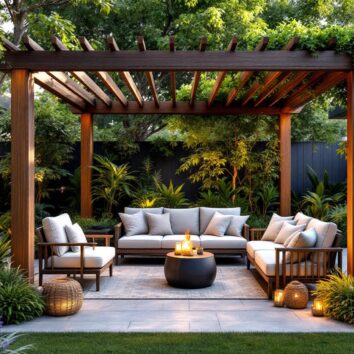
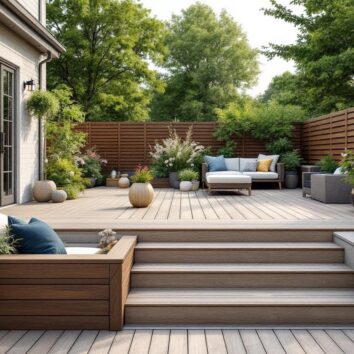
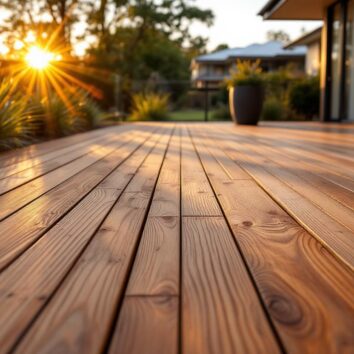
Outdoor Decking and Pergolas: Their natural resistance to weather and insects makes hardwood ideal for outdoor living spaces. Options like Merbau timber decking provide exceptional durability for exposed outdoor environments.
Structural Beams and Posts: Hardwood's strength supports load-bearing structures in residential and commercial buildings. Large timber posts for outdoor projects showcase the versatility of hardwood construction.
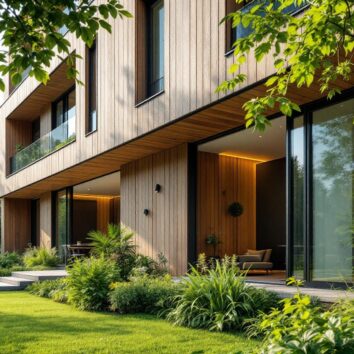
Feature Cladding and Panelling: Timber cladding adds character and warmth to interiors and exteriors, enhancing property value.
Softwood Applications
Framing and Roofing: Structural pine is commonly used for wall frames, roof trusses, and joists due to its strength and lightness.
Furniture and Cabinetry: Softwoods are easy to work with and finish, making them popular for indoor furniture and storage solutions.
Fencing and Landscaping: H4 treated pine for landscaping provides cost-effective and durable options for outdoor structures.
Panelling and Mouldings: Softwood's smooth grain and light colour suit decorative interior applications.
Maintaining Your Timber: Tips for Longevity
Regardless of the timber type, proper maintenance is key to extending its life, especially in Australia's diverse climate.

Protecting Softwood
Untreated pine can start to rot within a year if exposed to moisture. Applying sealants, stains, or paint helps protect against weathering and insect damage. For comprehensive guidance on timber protection, consult resources on how to stop pine rot and appropriate treatment schedules.
Pressure-treated pine is recommended for outdoor use, offering resistance to decay for 10 to 15 years or more with regular upkeep. Understanding H3 and H4 treated pine specifications ensures you select the appropriate treatment level for your application.
Care for Hardwood
Hardwoods are naturally more resistant but still benefit from periodic sealing and cleaning. Avoid prolonged exposure to standing water and inspect regularly for signs of wear or insect activity. Proper installation with good drainage and ventilation will also prolong the timber's life.
For exterior hardwood applications, guidance on waterproofing timber cladding and timber pergola designs can help extend the lifespan of your investment.