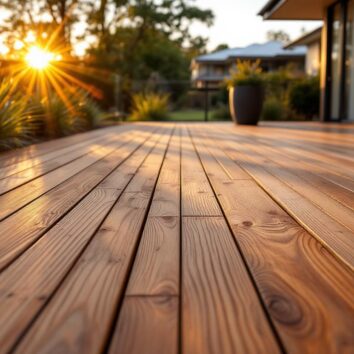
Why Choose Oregon Timber for Your Projects?
Oregon timber, often referred to as Douglas fir in many parts of the world, is renowned for its strength, versatility, and aesthetic appeal. For Australian builders, renovators, and DIY enthusiasts, sourcing quality Oregon timber means investing in a material that balances durability with workability. Its natural stiffness and straight grain make it ideal for a range of applications, from structural framing to fine furniture making. The wood's warm tones and fine texture also contribute to its popularity, allowing it to enhance the visual appeal of any project, whether it be a rustic cabin or a modern home.
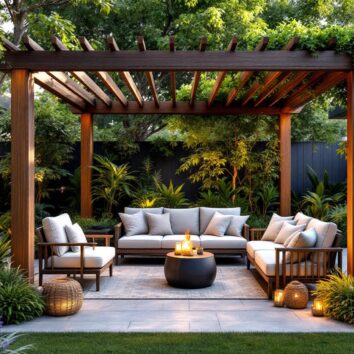
One of the key advantages of Oregon timber is its availability in Australia through reputable suppliers who import and distribute this wood with a focus on quality and sustainability. Whether you’re constructing a pergola, decking, or interior panelling, Oregon timber offers a reliable option that withstands the test of time and the Australian climate. Furthermore, the timber is often treated to resist pests and decay, making it an even more attractive choice for outdoor applications. With its natural resistance to warping and splitting, Oregon timber ensures that your projects maintain their integrity and beauty for years to come.
In addition to its practical benefits, Oregon timber also supports local economies and promotes sustainable forestry practices. Many suppliers are committed to sourcing timber from well-managed forests, ensuring that their products are both environmentally friendly and ethically harvested. This commitment to sustainability not only helps preserve natural habitats but also provides builders and consumers with peace of mind knowing they are making responsible choices. As awareness of environmental issues grows, choosing Oregon timber can be seen as a step towards more sustainable building practices, aligning your projects with a greener future.
Moreover, Oregon timber's versatility extends beyond structural uses. Its workability allows for intricate designs in cabinetry and millwork, making it a favorite among artisans and craftsmen. The wood can be easily stained or painted, enabling a wide range of finishes that can suit any design aesthetic. Whether you're aiming for a classic look or a contemporary style, Oregon timber can be adapted to meet your vision, making it a truly flexible choice for any project.
Understanding the Characteristics of Oregon Timber
Strength and Durability
Oregon timber is classified as a softwood, but it exhibits strength qualities that rival many hardwoods. Its high bending strength and compressive strength make it suitable for load-bearing structures such as beams and joists. This is why it’s a popular choice in construction projects requiring both resilience and aesthetic appeal.
While it doesn’t match the density of hardwoods like jarrah or blackbutt, Oregon timber’s stiffness and resistance to shock are impressive. It performs well under pressure, making it a trusted material for roofing frameworks and window frames.
Workability and Finish
One of Oregon timber’s standout features is its ease of machining. It works well with hand and power tools, allowing for smooth cuts, shaping, and sanding. This makes it a favourite among craftsmen who appreciate its ability to take stains and finishes evenly, resulting in a polished, professional look.
Its fine texture and relatively knot-free grain mean that Oregon timber can be used in visible applications such as panelling and cabinetry, where appearance matters just as much as strength.
Longevity and Maintenance
When treated correctly, Oregon timber can last for decades, even in demanding outdoor environments. Untreated, it’s more susceptible to rot and insect attack, especially in Australian conditions where moisture and termites can be a concern. However, pressure-treated Oregon timber offers excellent resistance to decay and is often used for outdoor decking, fencing, and landscaping projects.
Regular maintenance, including sealing and staining, will extend the life of your Oregon timber products, preserving their natural beauty and structural integrity.

Applications of Oregon Timber in Australian Construction
Structural Uses
Oregon timber’s strength and stiffness make it ideal for structural components such as beams, joists, and rafters. It’s commonly used in framing houses, commercial buildings, and outdoor structures like pergolas and carports. Its relatively lightweight nature compared to hardwoods means it’s easier to handle on-site, speeding up construction without compromising on quality.
Additionally, laminated Oregon timber beams (LVL) are popular for longer spans and engineered applications, offering enhanced strength and stability.
Decorative and Interior Applications
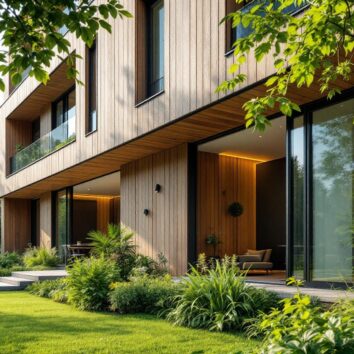
Beyond structural uses, Oregon timber is valued for its aesthetic qualities. Its fine grain and light colour lend themselves well to interior panelling, mouldings, and cabinetry. When stained or painted, it can complement a variety of interior design styles, from rustic to modern.
Its ability to take finishes well also makes it suitable for flooring and furniture, providing a warm, natural look that enhances living spaces.
Outdoor Projects and Landscaping
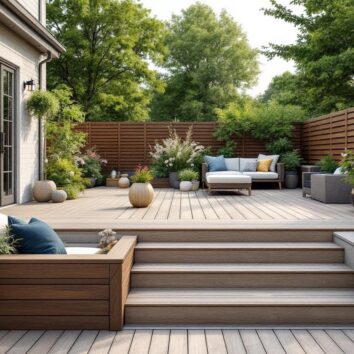
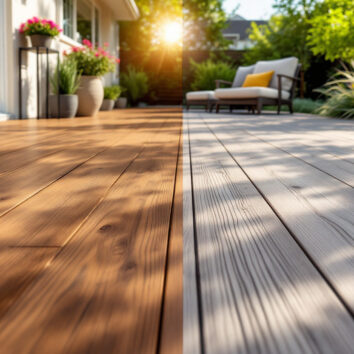
With proper treatment, Oregon timber is a solid choice for outdoor projects such as decking, fencing, and garden structures. Pressure-treated options resist rot and insect damage, making them durable even in exposed Australian environments.
Its workability allows for custom designs in landscaping, including timber screens, pergolas, and retaining walls, adding both function and visual appeal to outdoor areas.
How to Identify Quality Oregon Timber
Visual Inspection
When selecting Oregon timber, look for a consistent colour and grain pattern. High-quality timber will have minimal knots and defects, which not only improves appearance but also structural integrity. Avoid timber with excessive splits, cracks, or signs of insect damage.
Check the ends of the timber for signs of drying or cracking, which can indicate poor storage or handling. Well-stored timber should have a uniform moisture content to prevent warping or splitting after installation.
Certification and Treatment
Ensure the timber is certified for use in Australia, meeting relevant standards for strength and durability. If the timber is intended for outdoor use, verify that it has undergone appropriate treatment, such as CCA or other preservative processes, to enhance its lifespan.
Ask suppliers for documentation or product datasheets that detail the grade, treatment, and origin of the timber. This transparency helps guarantee you’re investing in a product that will perform as expected.

Tips for Working with Oregon Timber
Handling and Storage
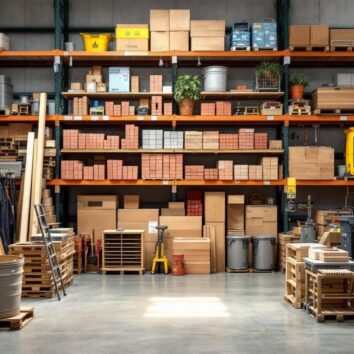
Store Oregon timber in a dry, sheltered area off the ground to prevent moisture absorption and decay. Stack timber with spacers to allow air circulation, reducing the risk of warping.
When handling, use gloves to protect your hands from splinters and ensure safe lifting techniques to avoid injury, especially with larger beams or planks.
Cutting and Machining
Use sharp blades and appropriate tools when cutting Oregon timber to achieve clean edges and reduce splintering. Its workability means it responds well to sanding and shaping, allowing for detailed joinery and finishing.
Pre-drill holes before nailing or screwing to prevent splitting, especially near the ends of boards.
Finishing and Maintenance
Apply sealants, stains, or paints suitable for timber to protect Oregon wood from moisture and UV damage. Regular maintenance, including cleaning and reapplication of protective coatings, will extend the timber’s life and keep it looking its best.
For outdoor applications, inspect timber annually for signs of wear or damage, addressing issues promptly to avoid costly repairs.
Comparing Oregon Timber with Other Popular Australian Timbers
While Oregon timber is a versatile and cost-effective option, it’s worth considering how it stacks up against native Australian timbers like jarrah, blackbutt, or treated pine.
- Jarrah: A dense, hardwood known for its rich colour and exceptional durability, jarrah is ideal for high-traffic flooring and outdoor furniture but comes at a higher price point.
- Blackbutt: Another hardwood prized for strength and termite resistance, blackbutt is often used in flooring and structural applications where longevity is critical.
- Treated Pine: Widely available and affordable, treated pine is commonly used in framing and outdoor projects. It offers good durability but generally lacks the aesthetic qualities of Oregon timber.
Oregon timber offers a middle ground, combining affordability with a pleasing appearance and solid performance, making it a favourite for many Australian builders and homeowners.