Teak wood, renowned for its durability and aesthetic appeal, has become a popular choice in various applications, particularly in Australia. This guide explores the numerous benefits of teak wood, its diverse uses, and essential maintenance practices to ensure its longevity.
What is Teak Wood?
Teak wood, scientifically known as Tectona grandis, is a tropical hardwood native to Southeast Asia. It is highly valued for its exceptional properties, including natural oils that provide resistance to water, pests, and decay. This makes teak an ideal material for outdoor furniture and marine applications. The cultivation of teak has been a vital part of the economy in countries like Myanmar, Thailand, and India, where it is sustainably harvested and managed to ensure the longevity of the forests.
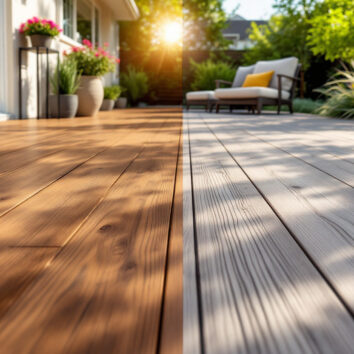
With a rich golden-brown hue that matures to a silver-grey over time, teak wood is not only functional but also visually appealing. Its fine grain and smooth texture make it a favourite among craftsmen and designers alike. The aesthetic versatility of teak allows it to complement various design styles, from traditional to modern, making it a popular choice for both residential and commercial spaces. Additionally, the wood's ability to withstand harsh weather conditions without warping or cracking further enhances its desirability.
Characteristics of Teak Wood
Teak wood possesses several distinctive characteristics that set it apart from other timbers:
- Durability: Teak is one of the most durable woods available, with a lifespan that can exceed 50 years when properly maintained. This longevity is attributed to its dense structure, which resists wear and tear, making it a smart investment for furniture that will be used over many years.
- Water Resistance: The natural oils in teak make it highly resistant to moisture, making it suitable for outdoor use. This characteristic not only prevents the wood from rotting but also allows it to withstand the effects of rain and humidity, which is particularly beneficial in tropical climates.
- Low Maintenance: Unlike many other woods, teak requires minimal maintenance, retaining its beauty with little effort. A simple cleaning with soap and water is often enough to keep it looking pristine, and occasional oiling can enhance its natural luster.
Furthermore, teak wood is known for its excellent stability, which means it is less likely to shrink or swell with changes in humidity and temperature. This stability is particularly important for furniture makers, as it ensures that joints remain tight and surfaces smooth over time. Additionally, teak's natural resistance to insects, such as termites, makes it a preferred choice for those looking to invest in long-lasting outdoor structures like decks and patios. The combination of these characteristics not only underscores teak's practicality but also its status as a luxury material in the world of woodworking.

Benefits of Using Teak Wood
Choosing teak wood for your projects comes with a myriad of benefits that enhance both functionality and aesthetics.
-
Exceptional Longevity
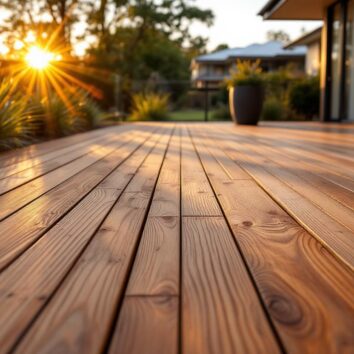
Teak wood is renowned for its remarkable longevity. When used in outdoor settings, it can withstand the harsh Australian climate, including intense sun and rain, without warping or cracking. This durability makes it a wise investment for both residential and commercial applications. In fact, many pieces of teak furniture can last for decades, often becoming heirlooms passed down through generations. Its natural oils also contribute to its resistance against pests and decay, ensuring that your investment remains intact and beautiful over time.
-
Aesthetic Appeal
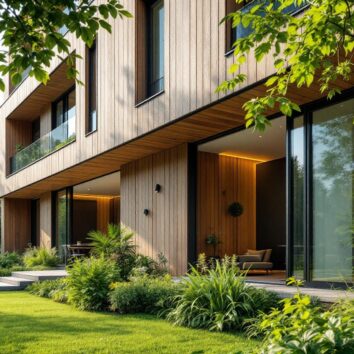
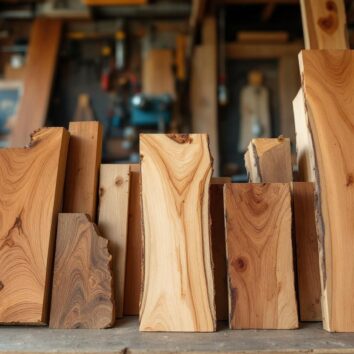
The natural beauty of teak wood is undeniable. Its warm tones and unique grain patterns add a touch of elegance to any space. Whether used for furniture, flooring, or decorative elements, teak enhances the overall aesthetic of a room or outdoor area. The rich golden-brown color of freshly cut teak can deepen into a stunning silver-gray patina as it ages, providing a dynamic visual appeal that evolves over time. Additionally, teak's versatility allows it to blend seamlessly with various design styles, from rustic to modern, making it a favorite among designers and homeowners alike.
-
Eco-Friendly Choice
Teak wood is often sourced from sustainable plantations, making it an environmentally friendly choice. By opting for certified teak, consumers can support responsible forestry practices that protect ecosystems and promote biodiversity. Moreover, many teak plantations engage in reforestation efforts, ensuring that the natural habitat is preserved and that future generations can enjoy this magnificent resource. As awareness of environmental issues grows, choosing teak not only enhances your space but also contributes positively to global sustainability efforts.
In addition to its sustainable sourcing, teak wood is also known for its low maintenance requirements. Unlike many other wood types that require regular sealing or staining, teak naturally resists moisture and does not need extensive care to maintain its beauty. A simple wash with soap and water is often sufficient to keep it looking pristine. This ease of maintenance makes teak an attractive option for busy homeowners and businesses, allowing them to enjoy the beauty of their wood features without the burden of constant upkeep.
Common Uses of Teak Wood
The versatility of teak wood allows it to be used in a wide range of applications. Here are some of the most common uses:
-
Outdoor Furniture
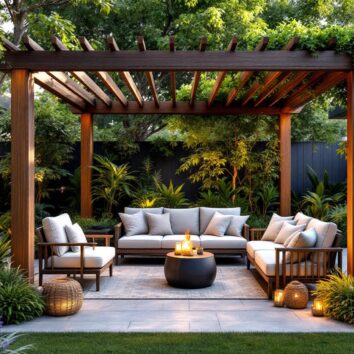
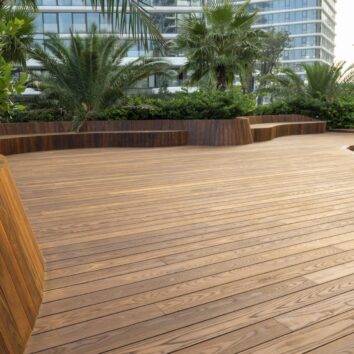
Teak is the go-to choice for outdoor furniture due to its resistance to moisture and insects. Tables, chairs, and loungers made from teak can withstand the elements while maintaining their structural integrity and beauty. Additionally, teak furniture often develops a lovely silver-grey patina over time, enhancing its aesthetic appeal. Many homeowners appreciate this natural aging process, as it adds character and charm to their outdoor spaces, making teak not just functional but also a stylish choice for gardens and patios.
-
Marine Applications
Given its water-resistant properties, teak is widely used in boat building and marine decking. Its ability to resist rot and decay makes it ideal for docks, decks, and other marine structures. Furthermore, the natural oils present in teak provide a protective barrier against the harsh effects of saltwater and UV rays, ensuring longevity in marine environments. Boat owners often choose teak for its non-slip surface, which enhances safety while walking on wet decks, making it a practical choice for both recreational and commercial vessels.
-
Flooring and Interior Design
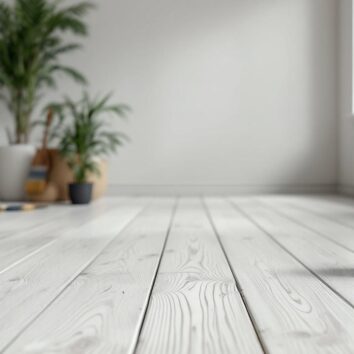
Teak wood is also popular for flooring, cabinetry, and decorative accents within homes. Its rich colour and durability make it suitable for high-traffic areas, providing both style and functionality. The unique grain patterns of teak can add warmth and elegance to any room, whether it be a cozy living space or a modern kitchen. Additionally, teak's natural resistance to moisture makes it an excellent choice for bathrooms and spa areas, where humidity is a concern. Many interior designers favor teak for its ability to complement a variety of design styles, from rustic to contemporary, making it a timeless material in interior design.

Maintenance of Teak Wood
While teak wood is low-maintenance, proper care is essential to preserve its beauty and longevity. Here are some tips for maintaining teak wood:
-
Regular Cleaning
To keep teak looking its best, regular cleaning is necessary. Use a soft cloth or sponge with mild soap and warm water to remove dirt and grime. Avoid harsh chemicals that can damage the wood's natural oils.
-
Oiling and Sealing
Applying teak oil can help maintain the wood's colour and protect it from the elements. It's recommended to oil teak furniture every six months to a year, depending on exposure to sunlight and weather conditions.
-
Protecting from the Elements
For outdoor furniture, consider using covers during extreme weather conditions or when not in use. This will help prevent fading and extend the life of the wood.
Teak Wood vs. Other Timber Types
When considering timber options, it’s essential to compare teak with other popular choices, such as pine and oak.
-
Durability Comparison
While pine is widely used due to its availability and cost-effectiveness, it does not match the durability of teak. Pine is a softwood and is more prone to scratches and dents, making it less suitable for high-wear applications.
-
Aesthetic Differences
Teak offers a unique aesthetic appeal with its rich tones and fine grain, while pine has a more rustic appearance. For projects where visual impact is crucial, teak is often preferred.
-
Cost Considerations
Teak is generally more expensive than pine due to its rarity and the costs associated with sustainable harvesting. However, its longevity and low maintenance needs can offset the initial investment over time.
Where to Buy Teak Wood in Australia
When looking to purchase teak wood, it’s essential to choose reputable suppliers that offer sustainably sourced products. In Australia, several suppliers specialize in quality timber, including:
- Pine Timber Products - A leading supplier of various timber products, including teak.
- Bunnings Warehouse - Offers a range of timber options, including teak for DIY projects.
- Timber & Hardware - Known for their extensive selection of quality timber.