Accoya timber represents a significant advancement in timber engineering, offering Australian builders and homeowners a revolutionary solution that combines exceptional durability with environmental sustainability. This engineered wood product transforms fast-growing softwoods through advanced acetylation technology, creating a material that matches or exceeds the performance of traditional hardwoods while maintaining a lower environmental footprint. With over 50 years of expected lifespan, minimal maintenance requirements, and exceptional resistance to moisture, rot, and insect damage, Accoya timber is reshaping how the Australian construction industry approaches timber selection and long-term building performance.
The Rise of Accoya Timber in Australian Construction
Australian builders and homeowners have long sought timber that combines natural beauty with exceptional durability. Traditional options like pine timber, widely available and affordable, have served well for decades but come with limitations, especially when exposed to harsh weather or moisture. Enter Accoya timber—a modified wood product that is transforming expectations around timber performance.
Accoya is engineered through a process called acetylation, which alters the wood's cellular structure to enhance its stability, durability, and resistance to rot and insect attack. This makes it an ideal choice for a range of applications in Australia's varied climate, from coastal environments with high humidity to inland areas with extreme temperature swings.
One of the standout features of Accoya timber is its remarkable longevity. Unlike traditional timber, which may require frequent maintenance and replacement, Accoya can last for decades without significant degradation. This longevity not only reduces the need for replacements but also contributes to a more sustainable building practice, as fewer resources are consumed over time. Additionally, Accoya timber is sourced from sustainably managed forests, aligning with the growing demand for environmentally responsible construction materials in Australia.
Furthermore, Accoya's versatility extends beyond its durability. It can be easily machined, stained, and painted, allowing architects and builders to unleash their creativity without compromising on performance. Whether used for decking, cladding, or even intricate joinery, Accoya timber retains its aesthetic appeal while standing up to the elements. As the Australian construction industry increasingly embraces innovative materials, Accoya is poised to become a staple for those looking to blend style with functionality in their projects.
What Sets Accoya Apart from Traditional Timber

Unmatched Durability and Stability
Unlike untreated softwoods such as treated pine, which can be prone to cracking, warping, and rot if not properly maintained, Accoya timber offers superior dimensional stability. The acetylation process reduces the wood's ability to absorb water, significantly lowering the risk of swelling or shrinking. This means doors, windows, decking, and cladding made from Accoya maintain their shape and integrity over time, even in wet or humid conditions.
For Australian builders, this translates to fewer repairs and replacements, a critical factor when considering long-term project costs and sustainability. Moreover, the longevity of Accoya timber can lead to reduced lifecycle costs, making it an economically sound choice for both residential and commercial projects. With a lifespan that can exceed 50 years, Accoya not only withstands the elements but also contributes to a more efficient use of resources, as fewer trees need to be harvested to meet construction demands. This durability is particularly advantageous in coastal regions, where exposure to saltwater and high humidity can wreak havoc on traditional timber materials.
Environmental Credentials
Accoya timber is sourced from fast-growing, sustainably managed softwoods, often radiata pine, which is abundant in Australia and New Zealand. The acetylation process is non-toxic and environmentally friendly, using acetic anhydride—a derivative of acetic acid (vinegar)—to modify the wood. This means Accoya is free from harmful chemicals commonly found in pressure-treated timber, such as copper or arsenic compounds.
For environmentally conscious projects, especially those aiming for green building certifications, Accoya offers a compelling alternative that aligns with sustainable construction principles. Pine Timber Products demonstrates strong environmental commitment, showcasing how sustainable timber sourcing and responsible forestry practices contribute to reducing Australia's carbon footprint. Additionally, Accoya timber has a low carbon footprint, as its production process sequesters carbon dioxide, further enhancing its eco-friendly credentials. The wood is also recyclable and can be repurposed at the end of its life cycle, contributing to a circular economy. As more architects and builders prioritize sustainability in their designs, Accoya stands out as a material that not only meets aesthetic and functional needs but also supports a healthier planet.
Applications of Accoya Timber in Australian Building Projects
Outdoor Decking and Landscaping
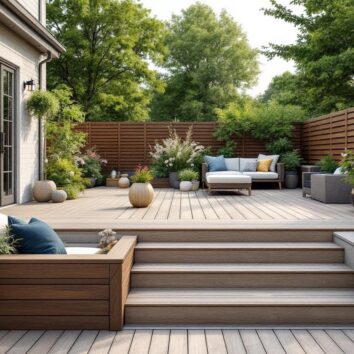
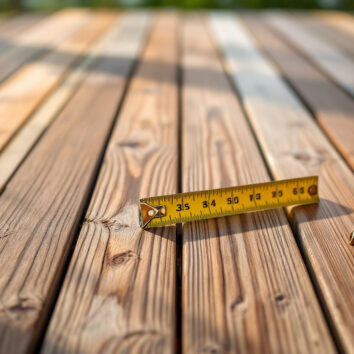
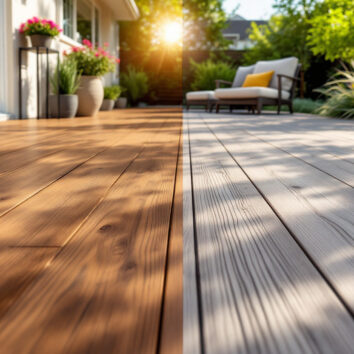
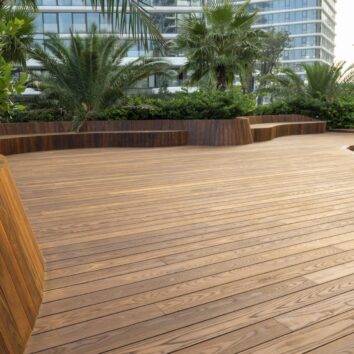
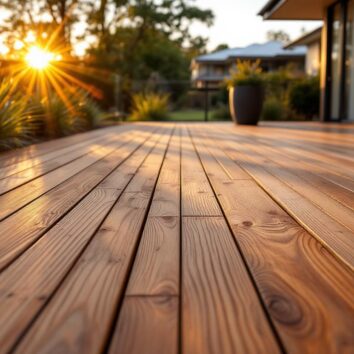
Decking in Australia faces constant exposure to sun, rain, and salt air in coastal regions. Traditional treated pine decking, even when treated, requires regular maintenance to prevent decay and maintain appearance. Accoya decking, on the other hand, offers a longer lifespan with minimal upkeep. Its resistance to moisture and fungal decay means it can withstand the elements without warping or splintering.
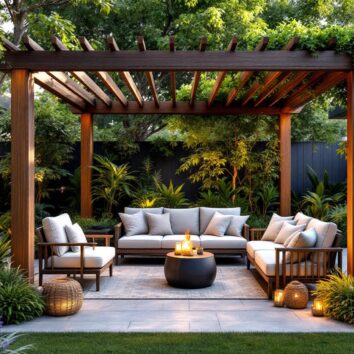
Landscaping elements such as pergolas, garden furniture, and fencing also benefit from Accoya's durability and aesthetic appeal. For comprehensive guidance on decking selection and design, exploring the best timber for decking projects provides valuable insights into various timber options and their applications. The wood's fine grain and ability to accept stains and paints make it versatile for various design styles. Additionally, Accoya timber is sourced from sustainable forests, making it an environmentally friendly choice for eco-conscious builders and homeowners. Its low carbon footprint during production further enhances its appeal, aligning with the growing trend towards sustainable construction practices in Australia.
Windows and Doors
One of the most demanding uses for timber is in window and door frames, where dimensional stability is critical to prevent gaps, drafts, and operational issues. Accoya's enhanced stability ensures frames remain true and functional for decades, reducing energy loss and maintenance costs. This stability is particularly beneficial in regions with extreme temperature fluctuations, as it minimizes the risk of warping or cracking that can occur with lesser materials. Engineered timber products like LVL offer similar dimensional stability benefits for structural applications.
In heritage and contemporary architecture alike, Accoya timber is gaining favour for its ability to marry traditional timber aesthetics with modern performance standards. The wood's natural beauty can be highlighted with various finishes, allowing architects and designers to create stunning visual contrasts while ensuring energy efficiency. Furthermore, the longevity of Accoya timber contributes to a building's overall lifecycle sustainability, making it a smart investment for both residential and commercial projects.
Cladding and Panelling
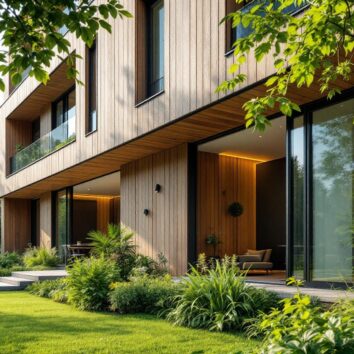
Timber cladding is a popular choice in Australian homes for its natural warmth and visual appeal. However, untreated or poorly treated timber can quickly degrade under UV exposure and moisture. Accoya's resistance to weathering and decay makes it an excellent choice for external cladding and internal panelling, providing a durable finish that retains its appearance over time. For detailed guidance on protecting timber exteriors, understanding how to waterproof timber cladding offers comprehensive maintenance strategies. The material's ability to maintain its structural integrity means that it can be used in a variety of architectural styles, from rustic to modern.
Moreover, Accoya timber's thermal performance can contribute to energy efficiency in buildings, helping to regulate indoor temperatures and reduce reliance on heating and cooling systems. This characteristic is particularly advantageous in Australia's diverse climate, where energy-efficient solutions are increasingly sought after. As architects and builders continue to explore innovative designs, the versatility of Accoya timber ensures it remains a top choice for both functional and aesthetic applications in the construction industry.
Comparing Accoya with Other Timber Options

Accoya vs. Pine Timber
Pine timber, including varieties like treated pine and white pine, is a staple in Australian construction due to its affordability and availability. For detailed information on structural pine applications, builders can explore comprehensive options for framing and construction projects. However, pine is a softwood with lower density and durability compared to hardwoods and modified timbers. Untreated pine exposed to the elements can last only 5 to 10 years before showing signs of rot or damage.
While treated pine extends this lifespan, it often involves chemical preservatives that may raise environmental concerns. Accoya, by contrast, offers a lifespan of over 50 years above ground without chemical treatments, making it a superior choice for longevity and sustainability. Additionally, Accoya's unique acetylation process not only enhances its resistance to moisture and insects but also significantly reduces its tendency to warp or crack, ensuring that structures remain stable and aesthetically pleasing over time.
Moreover, the aesthetic versatility of Accoya allows it to be finished in various ways, whether stained, painted, or left to weather naturally, providing homeowners and builders with a range of design options. This adaptability makes Accoya an increasingly popular choice for outdoor applications, such as decking and cladding, where both durability and visual appeal are paramount.
Accoya vs. Hardwood
Hardwoods such as jarrah and merbau are prized in Australia for their natural durability and rich appearance. However, they tend to be more expensive and less sustainable due to slower growth rates and limited availability. Accoya provides a competitive alternative by enhancing fast-growing softwoods to match or exceed the durability of many hardwoods.
This means builders and designers can achieve the look and performance of hardwood without the associated cost or environmental impact. In addition to its impressive durability, Accoya is also sourced from sustainable forests, ensuring that its production does not contribute to deforestation or habitat loss. This commitment to sustainability resonates with environmentally conscious consumers who are increasingly seeking eco-friendly building materials.
Furthermore, the thermal performance of Accoya is noteworthy; it has a lower thermal conductivity compared to many hardwoods, which can contribute to energy efficiency in buildings. This characteristic makes Accoya an excellent choice for energy-conscious designs, where maintaining comfortable indoor temperatures while minimizing energy consumption is a priority. As a result, Accoya is not only a practical choice but also an environmentally responsible one, appealing to a wide range of stakeholders in the construction and design industries.
Maintaining Accoya Timber for Long-Term Performance
One of the benefits of Accoya timber is its low maintenance requirements. Unlike untreated or treated pine, which may need regular sealing, staining, or painting to protect against moisture and UV damage, Accoya can be left untreated in many applications without compromising its durability.
For aesthetic purposes, coatings can be applied to enhance colour or finish, but these are not essential for protection. This reduces ongoing maintenance costs and effort, a significant advantage for homeowners and commercial projects alike. Understanding proper outdoor deck maintenance strategies can help maximize the lifespan of timber installations.