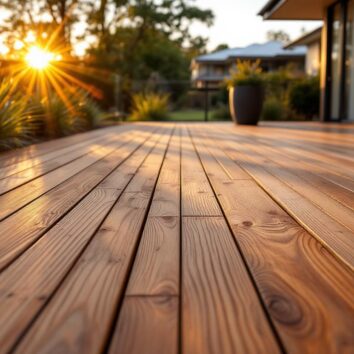
Decking is a quintessential part of Australian outdoor living, offering a versatile space for entertaining, relaxing, and enjoying the great weather. Whether you are upgrading your backyard or building a new outdoor area, mastering the art of laying decking boards can transform your space beautifully and functionally. This guide will walk you through the essential steps and considerations for laying decking boards with confidence and precision, tailored specifically for the Australian context.
Choosing the right materials and techniques is crucial, especially given Australia’s diverse climate conditions—from the humid coasts to the dry inland regions. Understanding these factors will help you build a deck that not only looks stunning but also stands the test of time.
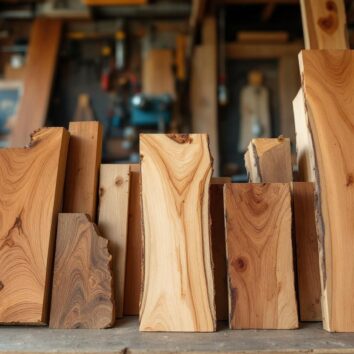
When it comes to selecting decking materials, Australians often lean towards hardwoods like Merbau, Spotted Gum, and Blackbutt, which are renowned for their durability and resistance to the elements. These hardwoods not only provide a rich aesthetic appeal but also require minimal maintenance, making them ideal for outdoor settings. Additionally, composite decking has gained popularity in recent years, offering a low-maintenance alternative that mimics the look of natural wood while resisting fading, staining, and warping. This option is particularly appealing for those seeking an eco-friendly solution, as many composite materials are made from recycled plastics and wood fibers.
The installation process itself is an opportunity to showcase creativity and functionality. Incorporating features such as built-in seating, planters, or even lighting can enhance the usability of your deck, making it a focal point of your outdoor space. Additionally, understanding the importance of proper drainage and ventilation will ensure that your deck remains safe and structurally sound, preventing issues like rot and mold that can arise in Australia’s varied climates. With thoughtful planning and execution, your decking project can become a cherished part of your home, inviting friends and family to gather and enjoy the beauty of the Australian outdoors.
Choosing the Right Timber for Your Deck

Why Pine Timber is a Popular Choice
When it comes to decking, pine timber is a widely preferred option across Australia due to its affordability, availability, and workability. Pine timber products are readily available from Reliable timber suppliers, often which offer a variety of treated pine options suitable for outdoor use.
Pine is a softwood that is strong, lightweight, and easy to work with. It is commonly treated to resist rot, decay, and insect damage, making it ideal for outdoor decking. Treated pine can last over 15 years with proper maintenance, providing excellent value for money. Additionally, the versatility of pine allows homeowners to easily stain or paint it, enabling a range of design possibilities that can complement any outdoor aesthetic. Its natural grain and texture can also enhance the overall look of a deck, creating a warm and inviting space for gatherings and relaxation.
Other Timber Options to Consider
Besides pine, Australian hardwoods like Jarrah and Blackbutt are also popular for decking due to their natural durability and rich appearance. However, hardwoods typically come at a higher price point and require more effort to work with compared to pine. Jarrah, for instance, is renowned for its deep red hues and exceptional resistance to the elements, making it a stunning choice for coastal areas. Blackbutt, on the other hand, boasts a lighter color and is known for its strength and fire resistance, making it suitable for bushfire-prone regions.
Composite decking is another alternative gaining traction, offering low maintenance and resistance to weathering. Yet, timber remains the preferred choice for those seeking a natural aesthetic and the ability to customise their deck. While composite materials can mimic the look of wood, they often lack the unique character and warmth that natural timber provides. Furthermore, many homeowners appreciate the environmental benefits of using sustainably sourced timber, as it can contribute to a lower carbon footprint compared to synthetic options. As you weigh your choices, consider how each type of timber can impact not only the look of your deck but also its longevity and maintenance needs over time.
Preparing Your Site for Decking Installation
Planning and Measuring
Before you start laying decking boards, thorough planning is essential. Measure your outdoor space accurately and sketch a detailed plan of your deck’s dimensions and layout. Consider access points, sunlight exposure, and drainage—all of which affect the deck’s longevity and usability. Additionally, think about the intended use of the deck. Will it be a space for entertaining guests, a quiet retreat for relaxation, or perhaps a play area for children? Each of these purposes may influence the design elements you choose, such as the size, shape, and even the materials used.
Ensure your design complies with local council regulations, especially if your deck will be elevated or attached to your home. This step can save you from costly adjustments later. It’s also wise to check if any permits are required for your project. Engaging with your local council early in the planning process can provide clarity on any restrictions or guidelines you need to follow, ensuring a smoother installation process.
Preparing the Ground and Frame
Clear the area of vegetation, rocks, and debris. For ground-level decks, lay a weed mat and ensure proper drainage to avoid water pooling under the deck. For elevated decks, secure sturdy footings and posts, preferably using Woodshield timber posts for enhanced durability. It’s important to take the time to create a solid foundation, as this will significantly impact the overall stability and safety of your deck. Consider using gravel or crushed stone around the footings to facilitate drainage and prevent moisture-related issues.
Construct a frame using treated pine or hardwood beams. The frame must be level and square, as this foundation supports the decking boards. Use spirit levels and framing squares to ensure precision. Additionally, think about incorporating cross-bracing within the frame for added strength, especially if your deck will be elevated. This not only enhances stability but also helps to prevent any potential warping or movement over time. As you work, keep in mind the importance of ventilation beneath the deck, which can help prolong the life of the materials used and reduce the risk of rot or decay.
Step-by-Step Guide to Laying Decking Boards

1. Acclimate Your Timber
Before installation, allow your decking boards to acclimate to the local environment for a few days. This helps reduce warping and shrinkage after installation, especially in Australia’s variable climate.
2. Plan the Board Layout
Decide on the direction of your decking boards—typically, boards run perpendicular to the joists for structural support. Consider the visual impact; running boards parallel to the house often elongates the space.
Leave a small gap (usually 3-5mm) between boards to allow for expansion and drainage. This spacing is vital to prevent buckling and water damage.
3. Fix the Boards Securely
Use corrosion-resistant screws or hidden fasteners designed for decking. Pre-drill holes to avoid splitting the timber, especially with hardwoods. Start fixing boards from one end, ensuring each board is flush and evenly spaced.
For pine decking, treated pine screws are ideal due to their compatibility with the timber’s properties. Regularly check alignment with a straight edge or string line to maintain a neat finish.
4. Cut Boards to Size
Measure and cut boards accurately to fit your deck’s dimensions. Use a circular saw with a fine-toothed blade for clean cuts. Sand any rough edges to prevent splinters and improve aesthetics.
5. Finish and Protect Your Deck
Once all boards are laid, apply a suitable timber finish or sealant to protect against UV rays, moisture, and wear. Pine decking benefits greatly from a quality exterior-grade stain or paint, which can extend its lifespan and enhance its appearance.
Regular maintenance, including cleaning and re-sealing every few years, will keep your deck looking fresh and durable.
Tips for Long-Lasting Decking in Australian Conditions
Maintenance and Care
Australian weather can be harsh on timber decks, with intense sun, rain, and occasional frost in some regions. To combat this, ensure your deck is cleaned regularly to remove dirt, mould, and debris.
Choosing Treated Pine for Outdoor Durability
Pressure-treated pine is highly recommended for outdoor decking in Australia. It resists rot, termites, and fungal decay, which are common challenges in many parts of the country. Using treated pine also means your deck can last decades with proper upkeep.
Consider Environmental Impact
Opt for sustainably sourced timber to reduce environmental impact. Many Australian suppliers, including Pine Timber Products, offer certified sustainable pine and hardwood options. This choice supports responsible forestry and ensures the longevity of timber resources.
Enhancing Your Deck Design
Incorporating Features and Accessories
Once your decking boards are laid, consider adding features such as built-in seating, pergolas, or lighting to create a welcoming outdoor space. Timber mouldings and skirting boards can add a polished finish, while composite cladding can complement your deck’s look.
Using Complementary Timber Products
Explore options like laminated beams for structural support or decorative panelling to enhance your deck’s aesthetics. For example, timber mouldings and skirting boards provide a refined edge to your decking project.
Where to Source Quality Decking Timber in Australia
are key to a successful decking project. Pine Timber Products, a Western Australian family business established in 1998, offers a comprehensive range of quality timber products suitable for decking, including treated pine, laminated beams, and more.
They provide expert advice, competitive prices, and prompt delivery services across major Australian cities, making them a trusted partner for both DIY enthusiasts and professional builders.
.