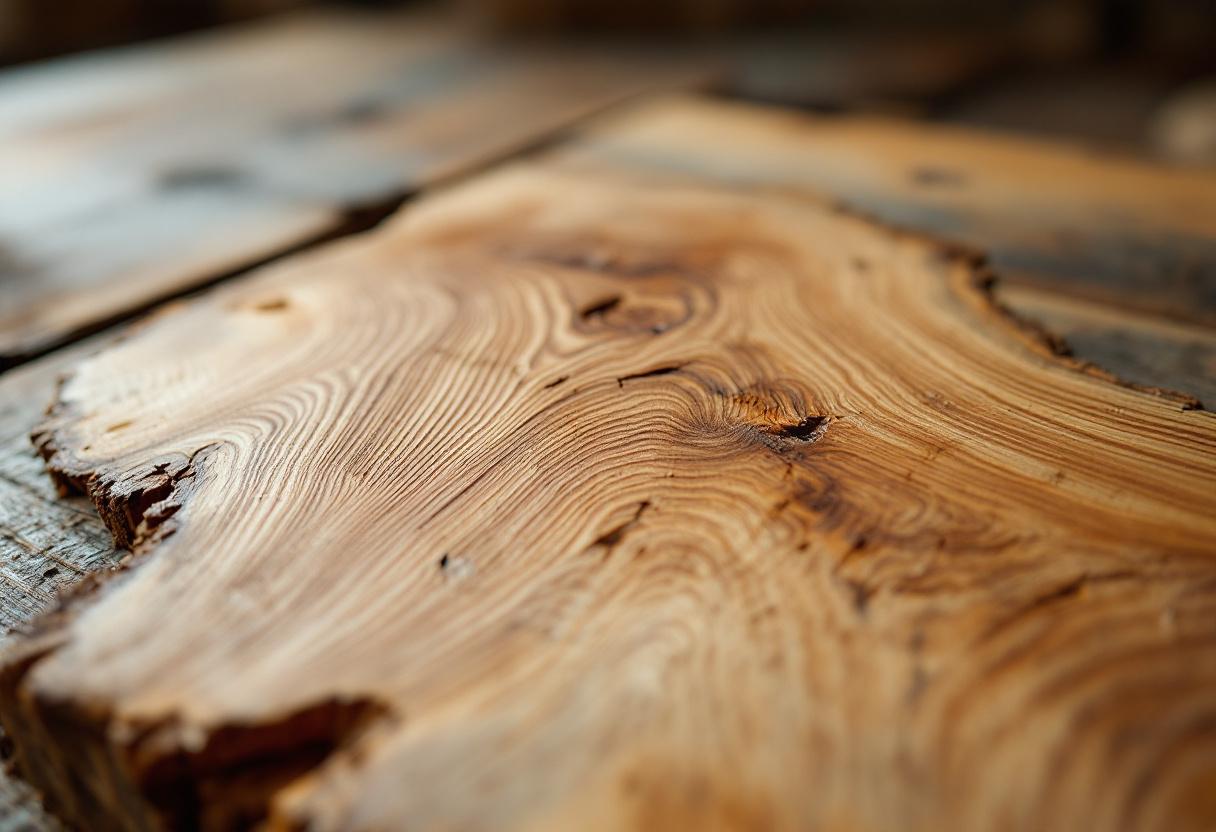
White oak timber stands out as an exceptional hardwood choice for Australian construction and design projects. Its combination of exceptional strength, aesthetic appeal, and environmental sustainability makes it a standout option for builders, renovators, and craftspeople seeking premium timber solutions. With outstanding durability, distinctive grain patterns, and responsible sourcing from well-managed forests, white oak offers both practical and environmental benefits that align with modern building practices and sustainable living values.
The Enduring Strength of White Oak Timber
White oak timber has long been prized for its exceptional strength and durability, qualities that make it a preferred choice for many construction and woodworking projects across Australia. Unlike softer timbers such as pine, white oak offers a dense, hard-wearing surface that stands up well to wear and tear, making it ideal for applications that require longevity and resilience.
Its natural hardness and resistance to moisture set white oak apart from many other hardwoods. This timber's tight grain structure and high tannin content contribute to its remarkable resistance to rot and insect damage, which is especially valuable in the Australian climate where outdoor exposure can be harsh. Whether used for flooring, decking, or structural elements, white oak's strength ensures a stable, long-lasting product.
For builders and renovators looking for timber that combines robustness with aesthetic appeal, white oak is a standout option. Its ability to withstand heavy loads without warping or cracking makes it a reliable material for everything from framing to fine furniture.
Moreover, white oak's versatility extends beyond structural applications; it is also a favorite among artisans and craftsmen. The wood's fine grain and rich colour lend themselves beautifully to intricate carvings and detailed joinery, allowing for the creation of stunning pieces that can be both functional and artistic. Many furniture makers appreciate how white oak can take on various finishes, enhancing its natural beauty while providing a protective layer that further extends its lifespan.
Additionally, the environmental sustainability of white oak timber cannot be overlooked. Sourced from well-managed forests, white oak is often harvested in a way that promotes forest health and biodiversity. This sustainable approach not only ensures a reliable supply of high-quality timber but also supports the ecosystem. As more consumers and builders prioritize eco-friendly materials, white oak stands out as a responsible choice that aligns with modern values of sustainability and conservation.
Character and Aesthetic Appeal
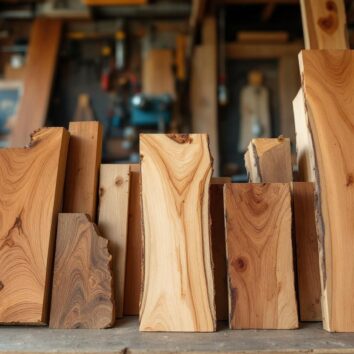
White oak is not just about strength; it also boasts a rich character that adds warmth and elegance to any space. The timber features a distinctive grain pattern that ranges from straight to slightly wavy, often highlighted by beautiful ray flecks that shimmer under light. This unique texture gives white oak a timeless appeal that complements both traditional and contemporary interiors.
In Australia, where natural materials are celebrated for their authenticity and connection to the environment, white oak's natural tones—from creamy whites to golden browns—blend seamlessly with a variety of design styles. It stains and finishes well, allowing homeowners and designers to customise its appearance to suit personal tastes or project requirements. For those interested in premium hardwood flooring options, Australian oak presents similar aesthetic and durability characteristics worth exploring.
Its versatility extends to furniture making, cabinetry, and panelling, where the wood's character can be showcased. Unlike softer woods like pine, which may dent or scratch easily, white oak maintains its visual integrity over time, making it a smart investment for pieces that are meant to last.
Moreover, the environmental benefits of using white oak cannot be overlooked. As a sustainably sourced material, it supports responsible forestry practices that help preserve ecosystems. This commitment to sustainability resonates with eco-conscious consumers who seek to create spaces that reflect their values. The durability of white oak also means that fewer resources are needed for replacements or repairs over time, further reducing its environmental footprint.
In addition to its practical advantages, white oak can also evoke a sense of nostalgia and heritage. Many artisans and craftsmen appreciate the wood's workability, allowing them to create intricate designs that tell a story. Whether it's a handcrafted dining table that becomes the centrepiece of family gatherings or custom cabinetry that showcases heirlooms, white oak serves as a canvas for creativity and personal expression. Its ability to age gracefully, developing a rich patina over the years, adds to its charm and makes each piece truly unique.
White Oak Timber in Australian Construction

While pine timber dominates much of the Australian market due to its affordability and availability, white oak offers a premium alternative for projects where durability and aesthetics cannot be compromised. Pine, widely used for framing, flooring, and furniture because it is lightweight and easy to work with, lacks the density and moisture resistance that white oak naturally provides. For structural pine applications and framing solutions, pine remains the practical choice for many builders, though hardwoods offer superior longevity.
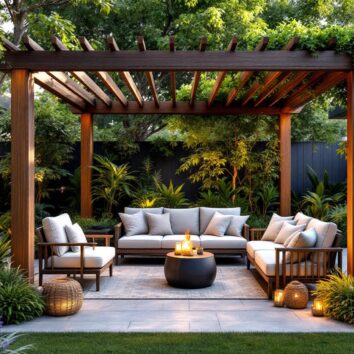
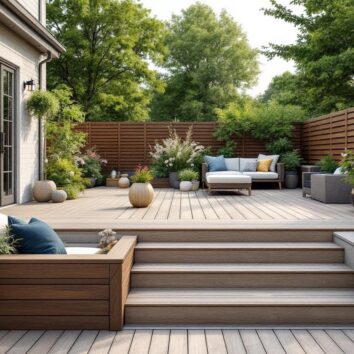
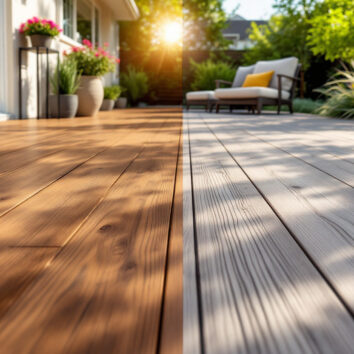
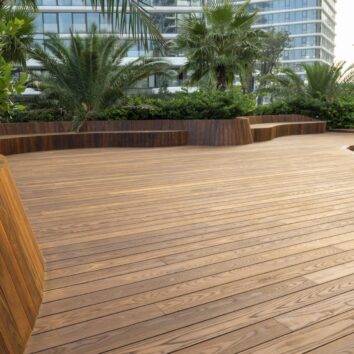
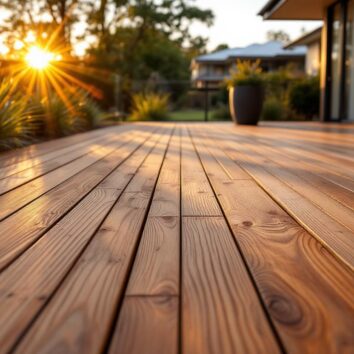
White oak's superior qualities make it particularly suited to outdoor applications such as decking, pergolas, and outdoor furniture, where exposure to the elements demands a timber that can resist decay and maintain structural integrity. While treated pine can last 10 to 15 years outdoors, white oak's natural durability often surpasses this, reducing the need for frequent replacement or maintenance. For those considering timber pergola designs, white oak offers an excellent alternative to traditional pine pergola construction, providing superior durability and aesthetic appeal.
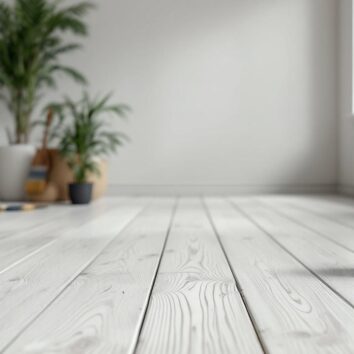
For indoor use, white oak is a popular choice for flooring and panelling, offering a hard surface that withstands heavy foot traffic while adding a touch of sophistication. Blackbutt flooring offers similar hardwood durability characteristics for Australian homes. Its ability to age gracefully and develop a rich patina over time enhances the character of Australian homes, especially those embracing natural and sustainable materials.
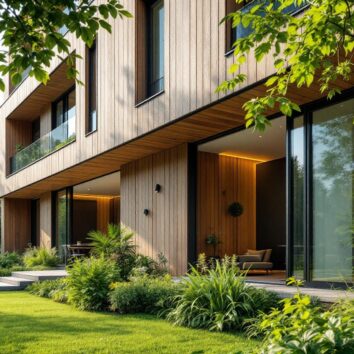
In addition to its practical benefits, white oak also boasts a stunning aesthetic appeal that can elevate any design scheme. The wood features a prominent grain pattern and a warm, golden hue that can complement a variety of interior styles, from rustic to contemporary. Interior designers often favour white oak for cabinetry and custom furniture pieces, as it can be easily stained or finished to achieve the desired look while retaining its inherent beauty. Furthermore, its versatility extends to architectural elements such as beams and mouldings, where it can add a sense of grandeur and timelessness to residential and commercial spaces alike.
Moreover, the environmental credentials of white oak cannot be overlooked. Sourced from sustainably managed forests, it aligns with the growing demand for eco-friendly building materials in Australia. The timber's longevity not only reduces the frequency of replacements but also minimises waste, making it a responsible choice for builders and homeowners who prioritise sustainability. As more Australians become aware of their ecological footprint, the appeal of white oak continues to rise, solidifying its place as a favoured material in both new constructions and renovations.
Sustainability and Availability in Australia
White oak is not as commonly grown in Australia as pine, which is cultivated extensively in plantations across New South Wales and other regions. However, Australian suppliers import white oak and source it responsibly to meet the demand for high-quality hardwoods. This ensures that builders and consumers have access to timber that meets strict environmental standards.
Choosing white oak aligns with a growing trend towards sustainable building practices. Its longevity means fewer replacements, and its natural resistance to pests and moisture reduces the need for chemical treatments. When sourced from certified suppliers, white oak supports responsible forestry and helps reduce the environmental impact of construction. Pine Timber Products demonstrates a strong commitment to environmental responsibility, with detailed information on their environmental care practices and sustainable sourcing principles.
For those interested in exploring timber options and understanding the broader context of sustainable forestry in Australia, comprehensive resources on Australian timber industry practices provide valuable insights. Local suppliers such as Pine Timber Products offer a range of hardwoods and softwoods tailored to Australian conditions and building codes, with expert advice to guide your selection.
Working with White Oak: Tips and Considerations
White oak is a hardwood that requires the right tools and techniques to work effectively. Its density means it can be tougher on saw blades and machinery compared to softer timbers like pine. When cutting or shaping white oak, sharp, high-quality blades and bits are essential to avoid splintering. The timber also responds well to sanding and staining, allowing for a smooth, polished finish that highlights its natural grain.
Unlike softer woods, which can crush and split easily if exposed to fluctuating moisture levels, white oak's tight grain structure reduces this risk. Nevertheless, acclimatising the timber before installation and maintaining consistent humidity levels indoors will help prevent any movement or warping. For those working with pine timber on other projects, understanding the specific techniques for working with softwoods can be valuable, as the approaches differ significantly from hardwood machining.
For outdoor projects requiring durability and weather resistance, applying suitable finishes becomes crucial. Information on top timber finishes and maintenance strategies can help ensure your white oak project achieves the desired aesthetic and protective qualities needed for long-term performance.
Comparing White Oak and Pine Timber

Both white oak and pine have their place in Australian construction and design, but they serve different needs. Pine is cost-effective, widely available, and easy to work with, making it a go-to for framing, panelling, and DIY projects. Its lightweight nature and fast growth cycle contribute to its affordability. Understanding the full advantages of pine timber helps homeowners recognise its value for specific applications.
White oak, on the other hand, is a premium hardwood prized for its durability and aesthetic qualities. It commands a higher price but offers superior longevity and a more refined appearance. For projects where strength and character are paramount, white oak is often the better investment.
Understanding these differences helps homeowners, builders, and designers make informed choices. For example, structural pine might be suitable for interior framing or temporary structures, while white oak excels in flooring, furniture, and outdoor applications where durability is critical.
Comparison Table: White Oak vs Pine
|
Feature |
White Oak |
Pine |
|
Durability |
25+ years outdoor life |
10-15 years (treated) |
|
Density & Hardness |
High; resistant to scratches |
Low; prone to denting |
|
Cost |
Premium pricing |
Budget-friendly |
|
Workability |
Requires sharp tools |
Easy to machine |
|
Aesthetic Appeal |
Rich grain, golden tones |
Light colour, even grain |
|
Moisture Resistance |
Excellent; tight grain |
Requires treatment |
|
Sustainability |
Well-managed forests |
Fast-growing plantations |
|
Best Uses |
Flooring, furniture, decking |
Framing, panelling, pergolas |
Maintaining White Oak Timber for Longevity
Proper maintenance can extend the life of white oak timber significantly. Regular cleaning, avoiding prolonged exposure to moisture, and applying protective finishes are key to preserving its natural beauty and strength. For outdoor installations, periodic resealing helps maintain resistance to weathering and UV damage.
Unlike untreated pine, which can begin to rot within a year if exposed to wet conditions, white oak's natural properties provide a robust defence. However, no timber is entirely maintenance-free, so investing time in care ensures that white oak remains a stunning and functional part of any Australian home or commercial space. Understanding the best practices for mould treatment on timber can also help prevent common issues associated with moisture exposure.
For decking applications specifically, comprehensive guidance on deck cleaning and maintenance helps homeowners maintain the beauty and structural integrity of their white oak decks year-round. These maintenance practices ensure your white oak investment continues to deliver both beauty and performance.
For those interested in expert guidance on timber care and maintenance strategies, local suppliers and specialists can offer tailored advice and products designed to keep white oak and other hardwoods in top condition throughout the year. Many suppliers, including established Australian timber providers, offer maintenance products and professional consultation to support long-term timber care.